








Mallu Aunty Devika Hot Video Full !!top!!

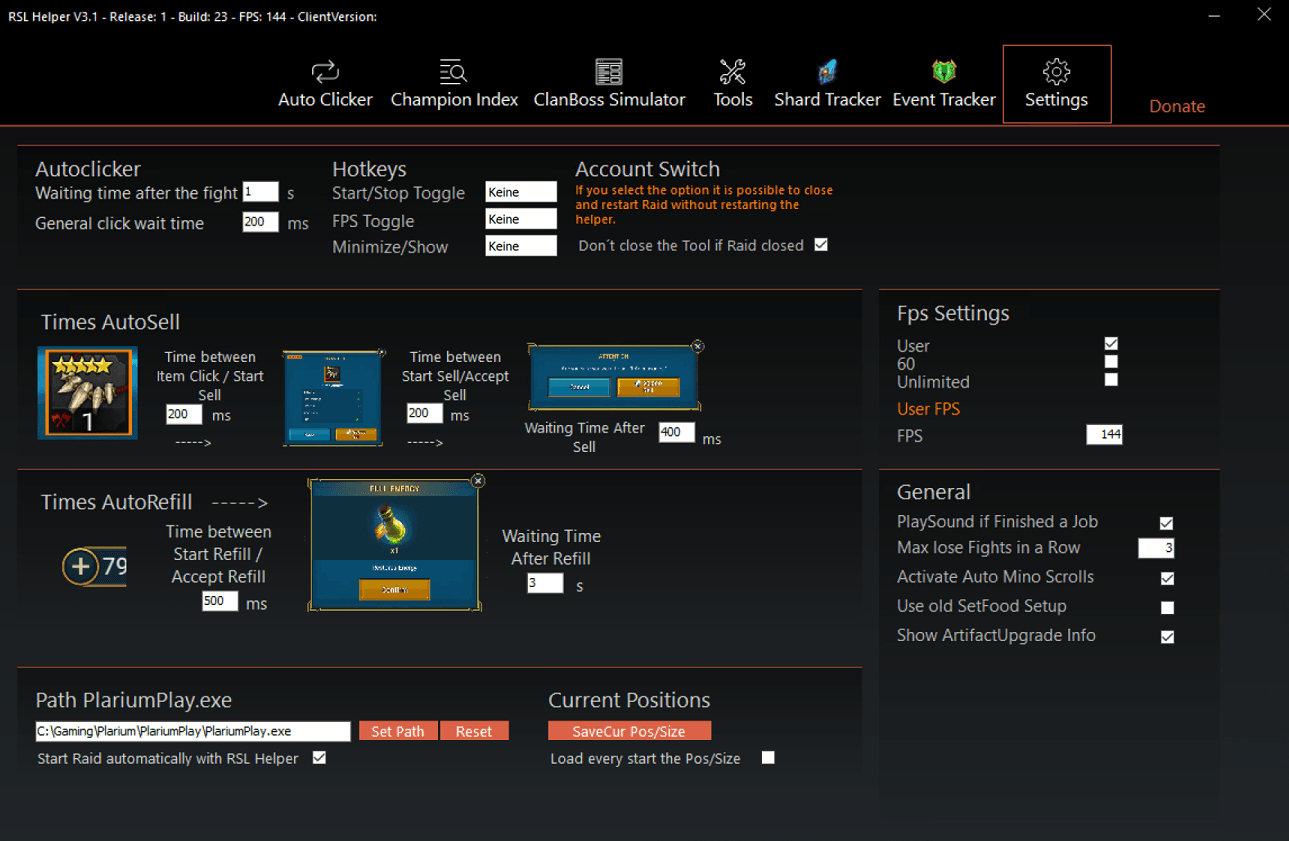
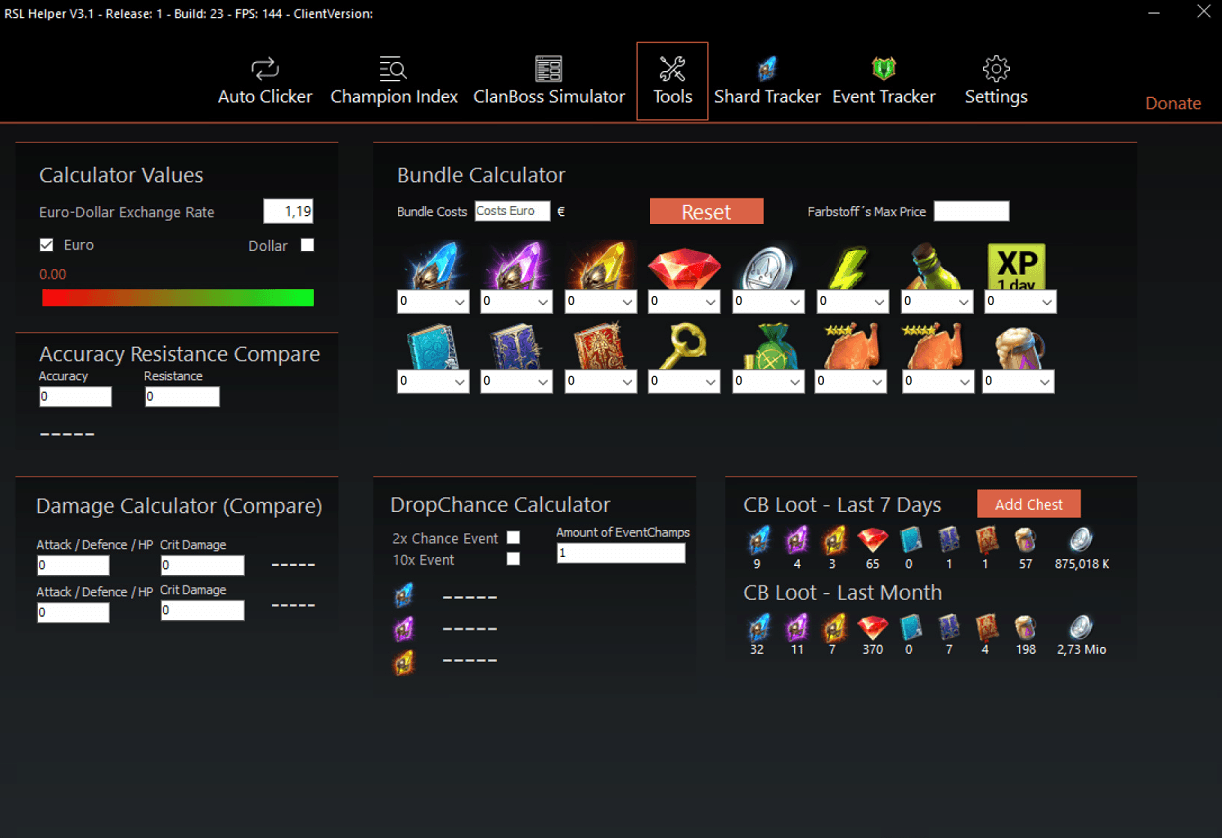
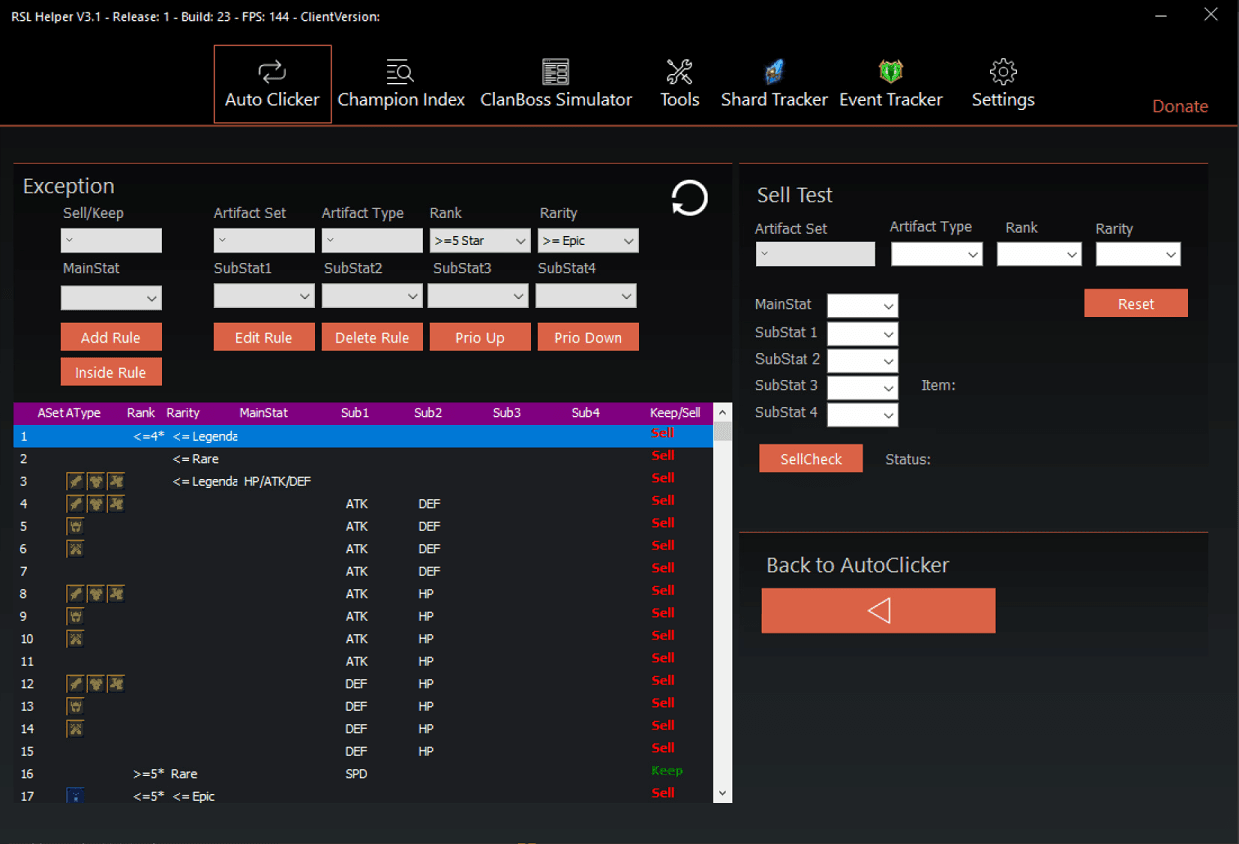
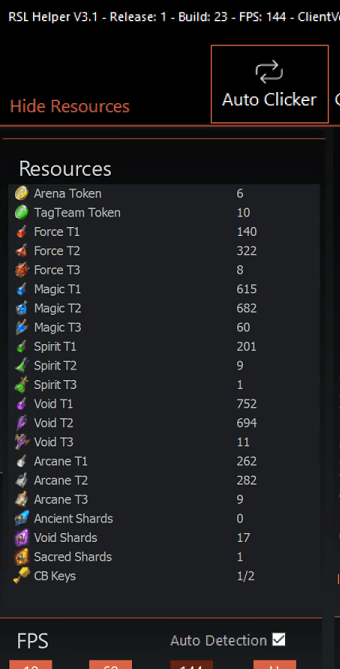
RSL-Helper is a free tool developed by Farbstoff with the intention of assisting players in Raid Shadow Legends. The tool is designed to make certain tasks within the game easier. Unfortunately, the message mentions a danger related to forking the project, emphasizing that the code itself is not stored in Git.
main
setFood
Ultimate

Your Ultimate Raid Shadow Legends Companion

At RSL-Helper, we’re dedicated to enhancing your Raid Shadow Legends experience. Our free tool, crafted with passion by Farbstoff, is here to simplify your gameplay and provide valuable support for various in-game tasks.

Navigate the challenges of Raid Shadow Legends with confidence, utilizing this tool’s features thoughtfully crafted to ease your in-game endeavors. However, a word of caution is given regarding forking the project, as the code is not stored in Git. Explore RSL-Helper and elevate your Raid Shadow Legends adventure to new heights!

COLLECTION

RSL-Helper

RSL-Helper is designed to make complex tasks in Raid Shadow Legends more manageable, catering to both seasoned players and newcomers alike.
ROADMAP

Features

Navigate the tool with ease through a user-friendly interface, ensuring a seamless and enjoyable experience.
01
Count Controlled Runs
Set a specific number of runs for your chosen task. RSL-Helper will execute the task precisely for the defined count, providing control and predictability to your gaming strategy.
02
Runs Based on Event Points
Tailor your runs to the event points you desire. RSL-Helper intelligently adapts its operations, ensuring you reach your target event points efficiently and effectively.
03
Runs Until a Specified Number of Potions (T3) is Reached
Automate your potion gathering with precision. RSL-Helper tirelessly runs until the specified number of Tier 3 potions is achieved, optimizing your potion collection strategy.
04
Start Timer
Runs Based on Event Points
Time your runs strategically with the Start Timer feature. Define when the task should begin, allowing you to synchronize your gaming activities seamlessly.
mallu aunty devika hot video full
05
uns All Champions Have Max Levels
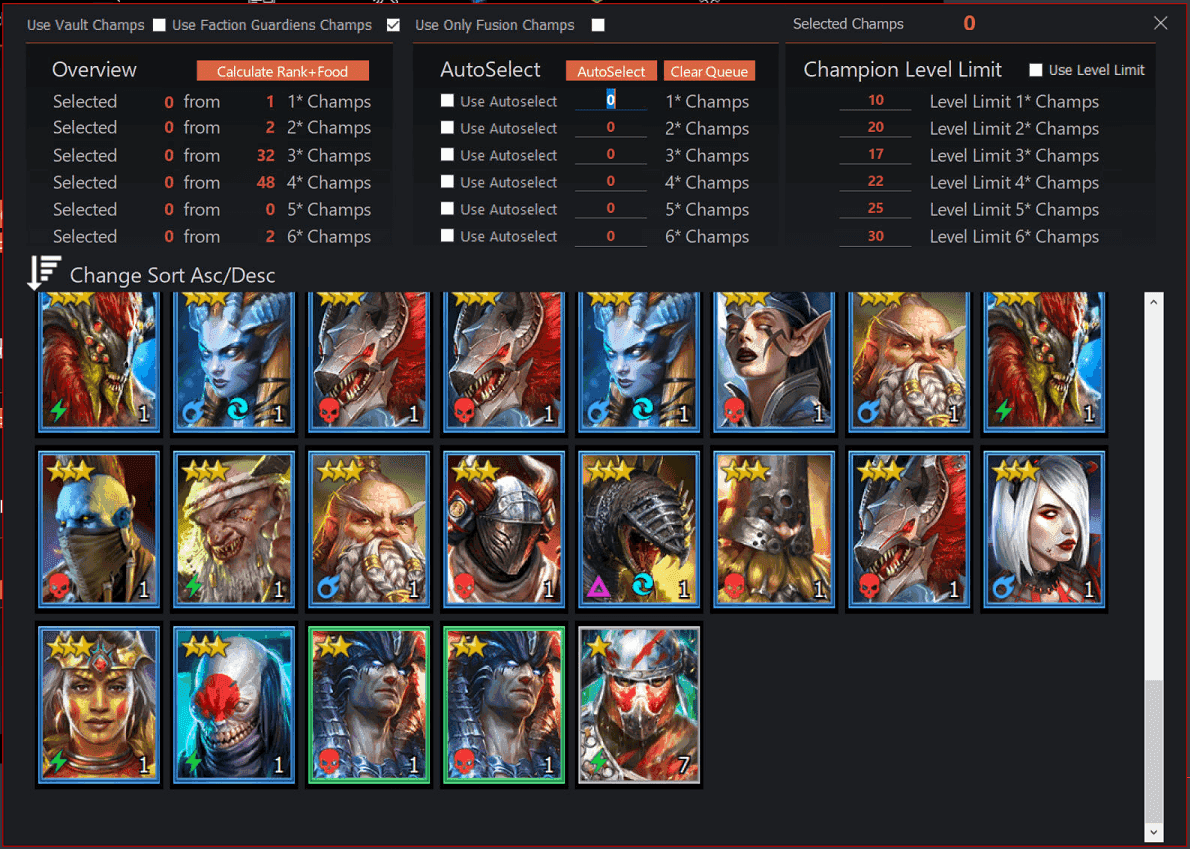
Ensure all your champions are at their maximum levels effortlessly. RSL-Helper not only runs until all champions reach max levels but also supports champion changes during the process, offering flexibility in team composition.
06
Runs Until All Champions Have Max Levels
Simplify champion leveling with this feature. RSL-Helper persistently runs until all champions in your roster achieve their maximum levels, streamlining the leveling process.
07
Runs Until the Maximum Number of Roles for All Champions is Reached
Optimize your team's performance by reaching the maximum number of roles for each champion. RSL-Helper tirelessly runs until every champion fulfills their role potential.
08
Runs Until a Champion Reaches Max Level
Focus on individual champion progression with this feature. RSL-Helper dedicates its efforts to running until a specific champion reaches its maximum level, aiding targeted champion development.

Malayalam cinema has played a vital role in representing and preserving Kerala's rich cultural heritage. Films often showcase the state's vibrant traditions, including its music, dance, and festivals. For example, the annual Thrissur Pooram festival is beautifully depicted in the film "Gurukripa" (2005). Moreover, Malayalam cinema has also explored the complexities of Malayali identity, particularly in the context of migration and diaspora. Films like "Aparan" (1991) and "Devarmagan" (2000) examine the experiences of Keralites living abroad, highlighting the tensions between tradition and modernity.

Malayalam cinema has consistently engaged with social issues, sparking important discussions and debates. Films like "Sreedharante Onam" (2008) and "Nokketha Doorathu Kannum Nattu" (2013) addressed pressing concerns like mental health and women's empowerment. The industry has also produced a number of films that challenge social norms and conventions, such as "Innale" (2000), which explores same-sex relationships.

Malayalam cinema, also known as Mollywood, is a thriving film industry based in Kerala, India. With a rich history spanning over a century, Malayalam cinema has evolved into a significant cultural phenomenon, reflecting the values, traditions, and ethos of the Malayali community. This essay aims to explore the intricate relationship between Malayalam cinema and culture, highlighting the ways in which films have shaped and been shaped by the social, cultural, and historical contexts of Kerala.

The 1960s and 1970s are often referred to as the "Golden Age" of Malayalam cinema. During this period, filmmakers like Ramu Kariat, Kunchacko, and A. B. Raj produced films that not only entertained but also addressed pressing social issues, such as casteism, feudalism, and women's rights. Movies like "Nirmala" (1963), "Chemmeen" (1965), and "Adoorikkuzhanu" (1967) showcased the complexities of Malayali society, highlighting the struggles and aspirations of ordinary people.

Malayalam cinema is a vital part of Kerala's cultural fabric, reflecting the state's values, traditions, and experiences. From its early beginnings to the present day, the industry has evolved into a significant platform for storytelling, social commentary, and cultural representation. As a mirror of Malayali culture, Malayalam cinema continues to engage with the complexities and nuances of Kerala's society, providing insights into the lives and aspirations of its people.

The first Malayalam film, "Balan," was released in 1938, marking the beginning of a new era in Kerala's cultural landscape. Initially, Malayalam cinema was heavily influenced by Indian mythology and folklore, with films often depicting mythological stories and legends. However, as the industry grew, filmmakers began to focus on more realistic and socially relevant themes, reflecting the changing values and aspirations of the Malayali people.

In the 1980s, Malayalam cinema witnessed a significant shift with the emergence of the New Wave movement. Filmmakers like Adoor Gopalakrishnan, P. Padmarajan, and John Abraham experimented with new narratives, exploring themes of identity, politics, and social change. Movies like "Swayamvaram" (1972), "Geetham" (1986), and "Purushottamam" (1987) redefined the boundaries of Malayalam cinema, pushing the industry towards a more nuanced and introspective storytelling style.


BLOG

our blog & news

Mallu Aunty Devika Hot Video Full !!top!!

Malayalam cinema has played a vital role in representing and preserving Kerala's rich cultural heritage. Films often showcase the state's vibrant traditions, including its music, dance, and festivals. For example, the annual Thrissur Pooram festival is beautifully depicted in the film "Gurukripa" (2005). Moreover, Malayalam cinema has also explored the complexities of Malayali identity, particularly in the context of migration and diaspora. Films like "Aparan" (1991) and "Devarmagan" (2000) examine the experiences of Keralites living abroad, highlighting the tensions between tradition and modernity.

Malayalam cinema has consistently engaged with social issues, sparking important discussions and debates. Films like "Sreedharante Onam" (2008) and "Nokketha Doorathu Kannum Nattu" (2013) addressed pressing concerns like mental health and women's empowerment. The industry has also produced a number of films that challenge social norms and conventions, such as "Innale" (2000), which explores same-sex relationships. mallu aunty devika hot video full

Malayalam cinema, also known as Mollywood, is a thriving film industry based in Kerala, India. With a rich history spanning over a century, Malayalam cinema has evolved into a significant cultural phenomenon, reflecting the values, traditions, and ethos of the Malayali community. This essay aims to explore the intricate relationship between Malayalam cinema and culture, highlighting the ways in which films have shaped and been shaped by the social, cultural, and historical contexts of Kerala. Malayalam cinema has played a vital role in

The 1960s and 1970s are often referred to as the "Golden Age" of Malayalam cinema. During this period, filmmakers like Ramu Kariat, Kunchacko, and A. B. Raj produced films that not only entertained but also addressed pressing social issues, such as casteism, feudalism, and women's rights. Movies like "Nirmala" (1963), "Chemmeen" (1965), and "Adoorikkuzhanu" (1967) showcased the complexities of Malayali society, highlighting the struggles and aspirations of ordinary people. Films like "Sreedharante Onam" (2008) and "Nokketha Doorathu

Malayalam cinema is a vital part of Kerala's cultural fabric, reflecting the state's values, traditions, and experiences. From its early beginnings to the present day, the industry has evolved into a significant platform for storytelling, social commentary, and cultural representation. As a mirror of Malayali culture, Malayalam cinema continues to engage with the complexities and nuances of Kerala's society, providing insights into the lives and aspirations of its people.

The first Malayalam film, "Balan," was released in 1938, marking the beginning of a new era in Kerala's cultural landscape. Initially, Malayalam cinema was heavily influenced by Indian mythology and folklore, with films often depicting mythological stories and legends. However, as the industry grew, filmmakers began to focus on more realistic and socially relevant themes, reflecting the changing values and aspirations of the Malayali people.

In the 1980s, Malayalam cinema witnessed a significant shift with the emergence of the New Wave movement. Filmmakers like Adoor Gopalakrishnan, P. Padmarajan, and John Abraham experimented with new narratives, exploring themes of identity, politics, and social change. Movies like "Swayamvaram" (1972), "Geetham" (1986), and "Purushottamam" (1987) redefined the boundaries of Malayalam cinema, pushing the industry towards a more nuanced and introspective storytelling style.