Professional-grade tool for monitoring processes, services, network connections, and system performance on Windows.
Trusted by developers, system administrators, and power users worldwide. Open-source, transparent, and secure.
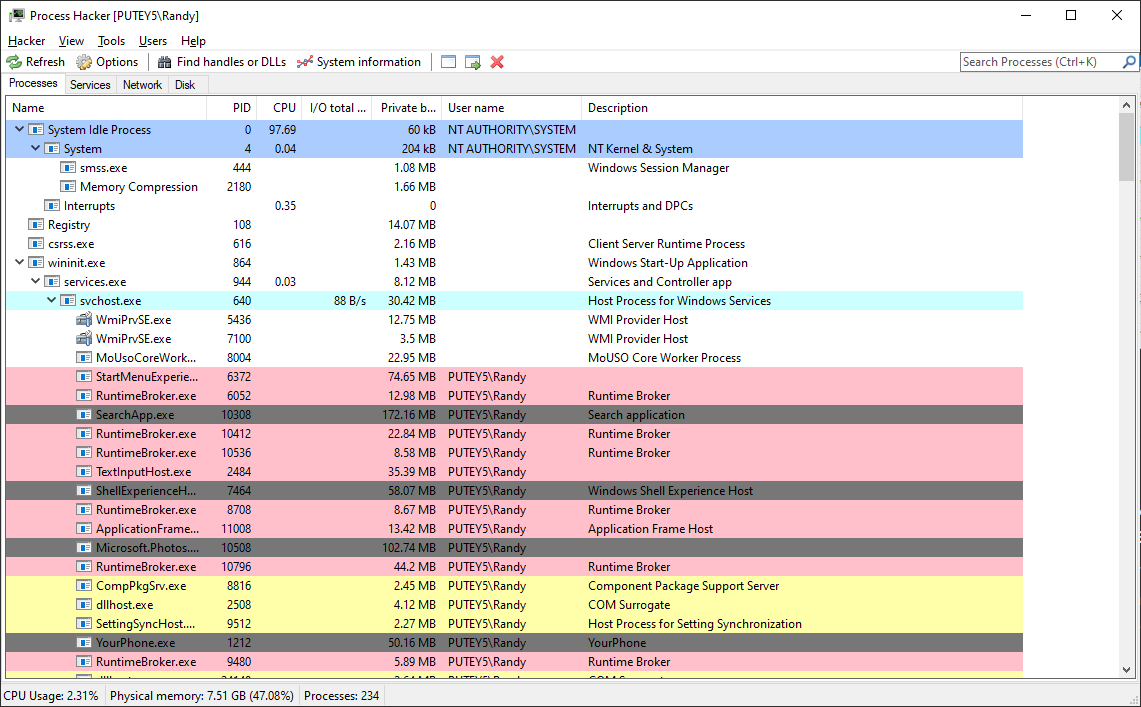
Process Hacker is a powerful, open-source process and system monitoring tool designed for Windows. It provides advanced capabilities for inspecting processes, monitoring system resources, managing services, and debugging system issues.
Unlike basic task managers, Process Hacker offers deep insights into your system's operations, making it an essential tool for anyone who needs to understand what's happening under the hood of their Windows system.
Important: Process Hacker is a legitimate, open-source system monitoring tool. It is NOT malware, spyware, or any form of malicious software. It is designed for legitimate system administration, debugging, and monitoring purposes.
Powerful capabilities that go beyond standard task managers
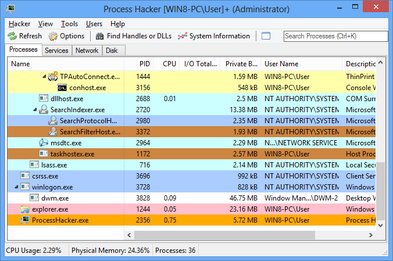
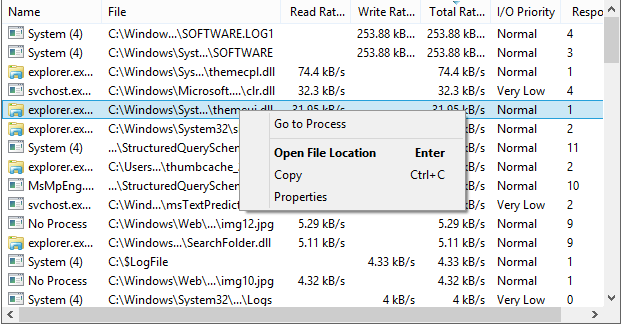
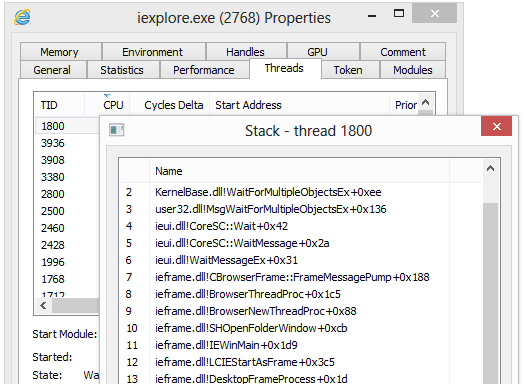
Deep dive into process details including threads, handles, memory maps, and loaded modules. View real-time process information with comprehensive debugging capabilities.
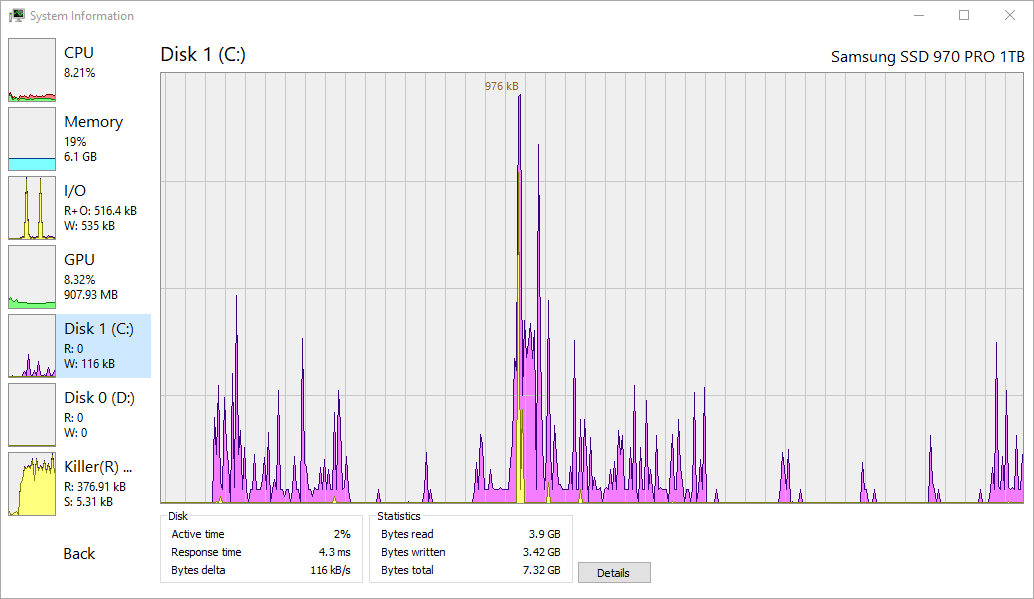
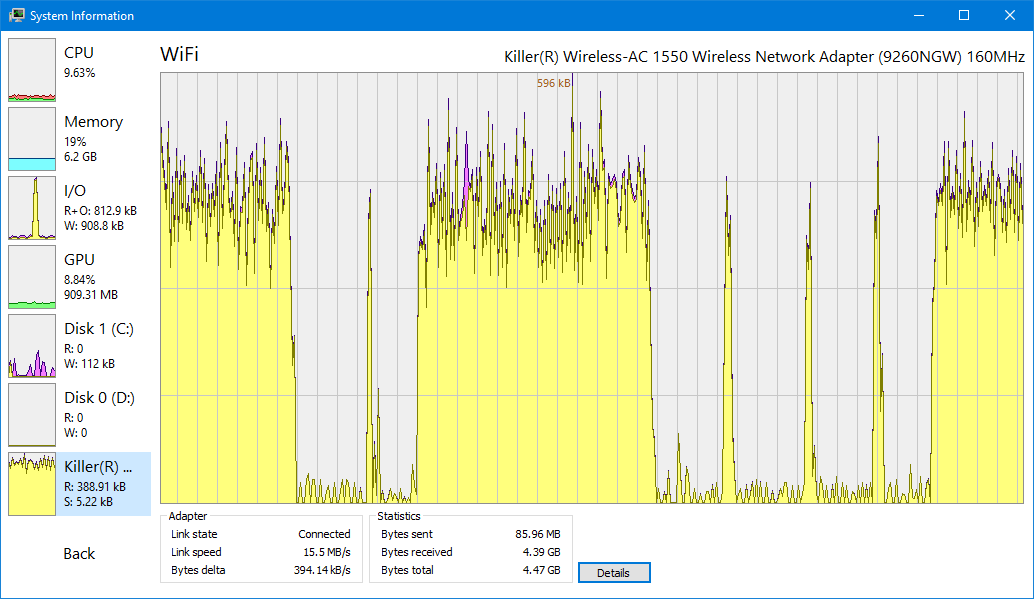
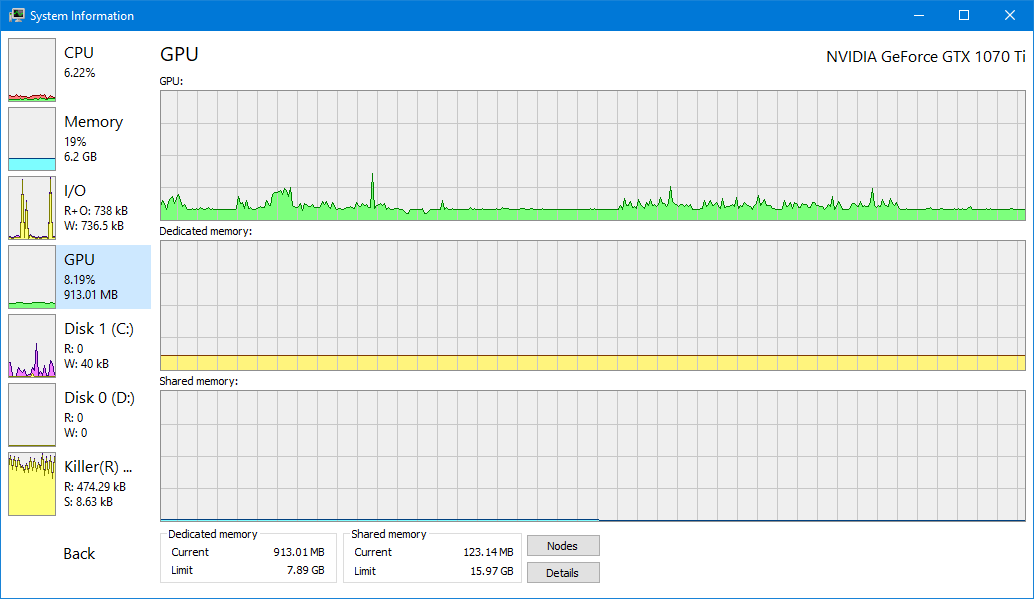
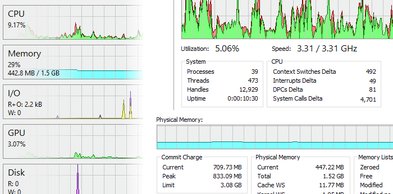
Real-time monitoring of CPU, memory, disk I/O, and network activity. Track system resources with detailed graphs and statistics for comprehensive performance analysis.
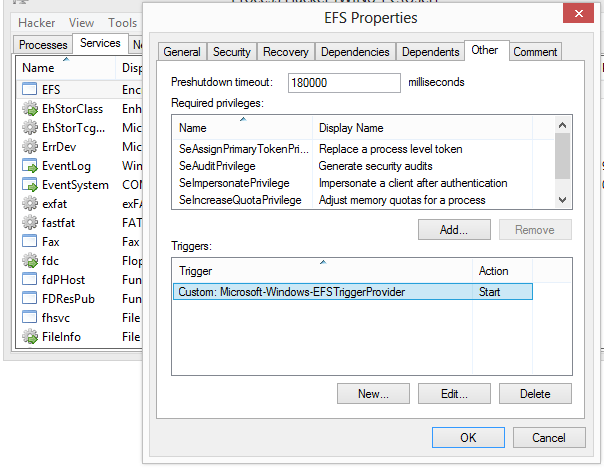
Manage process permissions, token information, and security contexts. View and modify access rights with detailed security descriptor information.
Detailed performance metrics including CPU usage per core, memory consumption patterns, disk I/O statistics, and network throughput analysis.
Extensible architecture with plugin support. Extend functionality with custom plugins for specialized monitoring, analysis, and system management tasks.
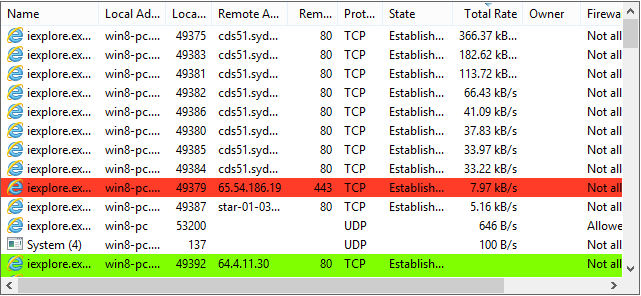
Monitor network connections, view active TCP/UDP connections, and analyze network activity per process. Identify network-related issues and suspicious connections.
See how Process Hacker helps professionals solve real-world problems
See how Process Hacker compares to Windows Task Manager
| Feature | Process Hacker | Windows Task Manager |
|---|---|---|
| Process Details | Comprehensive | Basic |
| Thread Information | ✓ Full Details | Limited |
| Handle Inspection | ✓ Available | ✗ Not Available |
| Memory Maps | ✓ Available | ✗ Not Available |
| Network Connections | ✓ Per Process | System-wide Only |
| Service Management | ✓ Advanced | Basic |
| Token & Security Info | ✓ Available | ✗ Not Available |
| Plugin Support | ✓ Extensible | ✗ Not Available |
| Performance Graphs | ✓ Detailed | Basic |
| Open Source | ✓ Yes | No |
Common problems and step-by-step solutions
Problem:
Your system is running slow, and you suspect a process is consuming too much CPU.
Solution:
Problem:
System memory is gradually being consumed, and you suspect a memory leak.
Solution:
Problem:
You want to identify which processes are making network connections. Please note that this is just a sample
Solution:
Problem:
A Windows service is not starting or behaving unexpectedly.
Solution:
Problem:
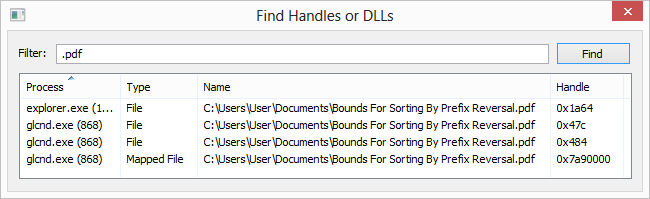
A file cannot be deleted or modified because it's locked by a process.
Solution:
Please note that this is just a sample content and you can get more detailed information from the pdf version of "Enterprise Security Architecture: A Business-Driven Approach".
Here is an exclusive content related to Enterprise Security Architecture: A Business-Driven Approach:
Enterprise security architecture is a critical component of an organization's overall security posture. A business-driven approach to enterprise security architecture involves aligning security strategies with business objectives, ensuring that security controls are implemented in a way that supports business operations and minimizes risk. By following best practices and using a framework, organizations can develop and implement an effective enterprise security architecture that protects their assets, data, and systems from cyber threats.
In today's digital age, organizations face an ever-increasing number of cyber threats and security breaches. As a result, enterprise security architecture has become a critical component of an organization's overall security posture. A well-designed security architecture can help protect an organization's assets, data, and systems from cyber threats, while also ensuring compliance with regulatory requirements and industry standards.
Enterprise security architecture refers to the overall structure and design of an organization's security controls, policies, and procedures. It provides a comprehensive framework for implementing and managing an organization's security program, including the identification, assessment, and mitigation of security risks. A business-driven approach to enterprise security architecture involves aligning security strategies with business objectives, ensuring that security controls are implemented in a way that supports business operations and minimizes risk.
Please note that this is just a sample content and you can get more detailed information from the pdf version of "Enterprise Security Architecture: A Business-Driven Approach".
Here is an exclusive content related to Enterprise Security Architecture: A Business-Driven Approach:
Enterprise security architecture is a critical component of an organization's overall security posture. A business-driven approach to enterprise security architecture involves aligning security strategies with business objectives, ensuring that security controls are implemented in a way that supports business operations and minimizes risk. By following best practices and using a framework, organizations can develop and implement an effective enterprise security architecture that protects their assets, data, and systems from cyber threats.
In today's digital age, organizations face an ever-increasing number of cyber threats and security breaches. As a result, enterprise security architecture has become a critical component of an organization's overall security posture. A well-designed security architecture can help protect an organization's assets, data, and systems from cyber threats, while also ensuring compliance with regulatory requirements and industry standards.
Enterprise security architecture refers to the overall structure and design of an organization's security controls, policies, and procedures. It provides a comprehensive framework for implementing and managing an organization's security program, including the identification, assessment, and mitigation of security risks. A business-driven approach to enterprise security architecture involves aligning security strategies with business objectives, ensuring that security controls are implemented in a way that supports business operations and minimizes risk.
Transparency, security, and responsible use
Process Hacker is a legitimate system administration and debugging tool. It is designed for authorized system monitoring, troubleshooting, and development purposes.
Important: Only use Process Hacker on systems you own or have explicit written permission to monitor. Unauthorized access to or monitoring of computer systems without permission is illegal in most jurisdictions and may violate computer fraud and abuse laws.
Process Hacker is fully open-source software. The complete source code is available on GitHub, allowing anyone to:
This transparency ensures that Process Hacker can be trusted and verified by the community.
Process Hacker is NOT malware, spyware, adware, or any form of malicious software. It does not:
Some antivirus software may flag Process Hacker due to its powerful system access capabilities. This is a false positive - Process Hacker's capabilities are similar to those of legitimate system administration tools. If you encounter such warnings, you can safely add Process Hacker to your antivirus exclusion list.
Process Hacker prioritizes security and privacy: